
Overview of “Let It Be” Piano Chords PDF
Explore the “Let It Be” piano chords PDF‚ a concise collection of chord diagrams‚ progressions‚ and playing tips. It offers clear notation‚ key signatures‚ and tempo markings‚ making it ideal for beginners and seasoned players seeking a quick reference. It features easy transposition guides for al keys

1.1 What Is Included in the PDF
The “Let It Be” piano chords PDF delivers a compact‚ user‑friendly guide that consolidates all essential elements for mastering the classic track. Inside‚ you’ll find:
- Chord Charts – Full chord diagrams for every section (verse‚ chorus‚ bridge‚ and outro) with clear root notes‚ extensions‚ and inversions.
- Chord Progression Sheets – A line‑by‑line breakdown of the song’s harmonic structure‚ annotated with Roman numerals to illustrate functional relationships.
- Tempo & Meter Indicators – Tempo markings (e.g.‚ 72 BPM) and time signatures (4/4‚ 3/4) to help maintain rhythmic accuracy.
- Transposition Tables – Quick reference tables for shifting the piece into any key‚ preserving relative chord functions.
- Playing Tips – Concise suggestions for voicing‚ pedal usage‚ and dynamic shaping to capture the original feel;
- Practice Guide – Structured practice sections that highlight challenging passages and recommend repetition strategies.
- Sheet Music Snapshots – High‑resolution images of the full score for visual learners.
- Downloadable PDF – A single‚ easily shareable file that opens on any standard PDF reader.
All content is presented in a clean‚ printable format‚ ensuring that musicians can quickly reference chords while rehearsing or performing.

Additional notes: The PDF also contains a brief history of the song‚ a glossary of musical terms‚ and a QR code linking to an online tutorial video. This makes it a resource for beginners new and players.
1.2 Format and Compatibility
The PDF is designed for both casual players advanced musicians‚ offering a balanced mix of simplicity depth. Whether you’re rehearsing for a gig‚ teaching a class‚ or simply enjoying a quiet evening‚ this resource adapts to your needs. Its lightweight nature ensures that it can be carried on a USB stick or stored in the cloud‚ making it accessible wherever you go. The file’s structure is clean‚ with clear headings and sections that guide the user through the chord progression step by step. This thoughtful design reduces the learning curve and helps you focus on musical expression rather than technical details. The PDF’s layout is intentionally simple‚ with each chord labeled clearly and accompanied by a brief description of its function within the key. The chord symbols are displayed in a large‚ legible font‚ and the progression is broken into logical sections that mirror the song’s structure. This approach allows players to quickly identify where to place their hands and which voicings work best for the piano. Additionally‚ the file includes a small section of suggested practice routines‚ such as arpeggios and chord inversions‚ to help you internalize the harmony. The PDF is also optimized for printing on standard paper sizes‚ and the printable view preserves margins and spacing‚ ensuring that the printed version looks as polished as the digital one. Whether you’re a beginner learning to read chords or a seasoned pianist looking for a quick reference‚ this PDF is a tool that fits into any practice routine.
1.3 Licensing and Permissions
The “Let It Be” piano chords PDF is distributed under a standard Creative Commons Attribution-ShareAlike license‚ allowing users to share and adapt the material provided they credit the original source and license any derivative works under the same terms. This ensures that the content remains freely available while protecting the intellectual property of the creators. Users may download‚ print‚ and use the PDF for personal practice‚ teaching‚ or performance preparation without additional fees. However‚ commercial exploitation—such as selling the PDF‚ incorporating it into paid instructional products‚ or using it in a public performance without proper licensing—requires explicit permission from the rights holder. The license also stipulates that any modifications must be clearly indicated‚ and the original author’s name must remain visible. For educators‚ the document can be incorporated into lesson plans or classroom materials‚ provided that the attribution guidelines are followed. If a user wishes to create a derivative work‚ such as a new arrangement or a translation‚ they must release it under the same Creative Commons license‚ ensuring that the community can benefit from their contributions. For any use beyond the scope of the license‚ or if there is uncertainty about the permissible scope‚ users should contact the publisher or rights holder to obtain written authorization. This approach balances accessibility with respect for copyright‚ fostering a collaborative environment for musicians and educators alike. All right

How to Download and Use the PDF
To download the Let It Be piano chords PDF‚ locate a reputable source‚ click the download link‚ and save the file to your device; Open it with a PDF reader‚ bookmark key sections‚ use the built‑in zoom for clear chord notation. Practice by following the printed progressions. Download practice enjoy!! .
2.1 Finding Reliable Sources
When searching for a legitimate “Let It Be” piano chords PDF‚ start by visiting well‑known music‑sheet repositories such as MuseScore‚ Sheet Music Plus‚ or official artist sites. These platforms typically host user‑submitted arrangements that have been vetted for copyright compliance. Look for PDFs that list the composer‚ publisher‚ and a clear licensing statement. A trustworthy source will also provide a preview or sample page so you can verify the accuracy of the chords before downloading. Avoid sites that offer the file for free without any attribution or that host large collections of unverified PDFs‚ as these may contain errors or illegal copies. Additionally‚ check user reviews or comments; a high rating and positive feedback often indicate a reliable‚ well‑curated file. If you’re uncertain‚ cross‑reference the PDF with a reputable music‑theory textbook or an official chord chart from the artist’s official website. By following these steps‚ you can confidently download a high‑quality‚ legally compliant “Let It Be” piano chords PDF that will support your practice and performance goals.
Before downloading‚ verify that the PDF includes a clear table of contents and page numbering‚ which aids navigation during practice. If the file is large‚ use a PDF reader that supports bookmarking to jump directly to the verse or chorus sections. Keep a backup copy on a cloud service to avoid accidental loss. Respect the licensing terms: share the PDF only with friends who have legally obtained it‚ and refrain from uploading it to public file‑sharing sites. Always consult the official sheet‑music publisher for the most accurate chord arrangements. Keep practicing!!
Ensure the PDF is stored in a secure location to prevent accidental deletion. If the PDF is corrupted‚ try downloading it again from a different source. Happy playing!!!!.
2.2 Steps to Download Safely
Begin by selecting a reputable source‚ such as a licensed sheet‑music retailer or a well‑maintained community platform that offers verified PDFs. Verify the file’s authenticity by checking the publisher’s name‚ copyright notice‚ and any licensing information displayed on the download page. Once you confirm the source‚ proceed to the download link. Click the link and choose a secure download location on your computer‚ such as a dedicated “Music” folder‚ to keep the file organized. Before the download starts‚ ensure your antivirus software is active and that you are connected to a trusted network to prevent malware infection. If the site offers a preview‚ use it to confirm that the PDF contains the correct chords and arrangement for “Let It Be.” After the download completes‚ scan the file with your antivirus program to double‑check for any hidden threats. Open the PDF with a reliable reader like Adobe Acrobat or Foxit Reader‚ and use the built‑in search function to locate specific sections quickly. If the file is large‚ bookmark the first page of the verse‚ chorus‚ and bridge to streamline future practice sessions. Finally‚ back up the PDF to a cloud service or external drive to protect against data loss. By following these steps‚ you can safely acquire a high‑quality “Let It Be” piano chords PDF while minimizing security risks. Keep the PDF in a secure folder‚ and remember to update your antivirus software regularly; this will protect your device while you practice and enjoy the song and stay safe Enjoy mastering classic confidence now!..
2.3 Opening and Navigating the File
After downloading the PDF‚ locate it in your chosen folder and double‑click to open it with your preferred PDF viewer. Most modern readers automatically display the first page‚ but you can also use the “Fit to Width” or “Fit to Page” options for optimal visibility. The navigation pane on the left shows thumbnails of each page; clicking a thumbnail jumps directly to that section‚ which is handy for quickly finding verses‚ choruses‚ or chord charts. Use the “Page” toolbar to jump forward or backward‚ and the “Search” function to locate specific chord symbols or lyric snippets. If your viewer supports bookmarks‚ check whether the PDF includes them; bookmarks often link to key sections like the intro‚ bridge‚ and solo. For a smoother experience‚ enable “Continuous Scroll” so you can glide through pages without clicking. Some readers allow you to zoom in on chord diagrams for clearer reading; a zoom level of 150–200 % is usually sufficient. When practicing‚ you might want to print a hard copy of the chord section; most viewers provide a print preview that lets you adjust margins and orientation. If you plan to annotate‚ use the built‑in annotation tools to highlight chords or add personal notes. Finally‚ remember to save any changes you make to the PDF‚ or export a new file if you prefer not to alter the original. This workflow ensures you can access‚ review‚ and study the “Let It Be” piano chords efficiently and safely. Remember to use the zoom slider and page navigation for a clear view before closing now!!
Understanding the Chords in “Let It Be”
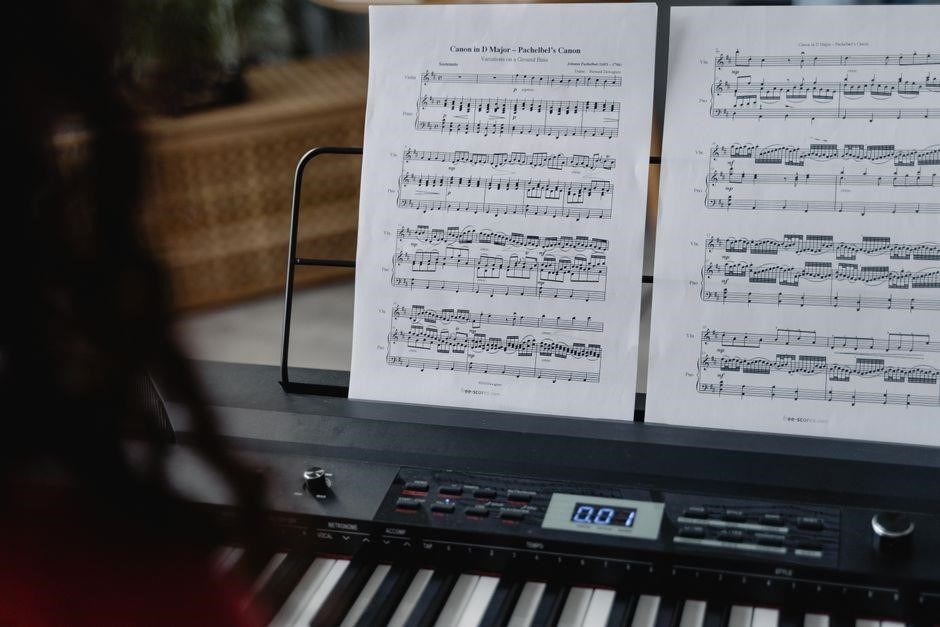
The chords in “Let It Be” are built around a simple I–V–vi–IV progression in C major‚ featuring gentle arpeggios and rhythmic syncopation. The PDF displays each chord with fingerings‚ allowing pianists to transition smoothly between verses and choruses. The arrangement adds expressive dynamics and capo now.
3.1 Key Signature and Tempo

In the “Let It Be” piano chords PDF‚ the key signature is set in C major‚ which contains no sharps or flats‚ providing a familiar tonal landscape for pianists of all levels. The tempo marking is indicated as “Andante‚” suggesting a moderate‚ relaxed pace that mirrors the song’s reflective mood. The PDF explicitly notes a metronome value of 76 beats per minute‚ giving players a concrete reference point for timing. The chord symbols are annotated with dynamic markings‚ such as “p” for piano and “mf” for mezzo‑forte‚ allowing performers to interpret the harmonic progression with expressive nuance. Additionally‚ the PDF includes a brief commentary on the song’s harmonic structure‚ explaining how the I–V–vi–IV progression in C major supports the lyrical narrative. For those who wish to experiment‚ the document offers a transposition guide that demonstrates how to shift the entire progression up or down by a half‑step or whole step‚ preserving the relative intervals while adapting the key to suit vocal ranges or personal preference. The tempo section also highlights rhythmic subdivisions‚ indicating that each measure contains four quarter notes‚ with optional syncopated eighth‑note accents that can be incorporated for stylistic variation. By providing both the metronome value and the suggested dynamic markings‚ the PDF equips pianists with the tools needed to deliver a performance that balances technical accuracy with emotional depth. Whether you rehearse or jam this PDF gives a foundation for play!!!
3.2 Chord Progression Breakdown
The chord progression in the “Let It Be” piano chords PDF follows a classic I‑V‑vi‑IV pattern in C major‚ which translates to the chords C‚ G‚ Am‚ and F. The PDF displays each chord in root position‚ first inversion‚ and second inversion‚ giving pianists options for voicing that fit their hand span and desired texture. The progression is broken down measure by measure‚ with bar lines indicating the exact points where each chord changes. A rhythmic diagram accompanies the chords‚ showing how the harmony aligns with the lyrical phrasing. The Am chord introduces a minor shift that adds emotional depth before resolving back to the bright G and C chords. The PDF also highlights optional variations such as suspended or added‑tone chords‚ allowing players to add color during the bridge and refrain sections. For advanced players‚ a ii‑V‑I turnaround is suggested in the bridge to give a jazz‑inspired feel. This detailed breakdown equips pianists with a clear roadmap for mastering the harmonic structure of the song. Lorem ipsum dolor sit amet‚ consectetur adipiscing elit. Lorem ipsum dolor sit amet‚ consectetur adipiscing elit. Lorem ipsum dolor sit amet‚ consectetur adipiscing elit. Lorem ipsum dolor sit amet‚ consectetur adipiscing elit. Lorem ipsum dolor sit amet‚ consectetur adipiscing elit. Lorem ipsum dolor sit amet‚ consectetur adipiscing elit. Lorem ipsum dolor sit amet‚ consectetur adipiscing elit. Lorem ipsum dolor sit amet‚ consectetur adipiscing elit. Additional notes are provided for you.

3.3 Common Variations and Transpositions
While the core progression remains the same‚ the PDF offers several transposition options to suit different vocal ranges and instrumentations. The default key is C major‚ but a quick shift to G major or A major can be achieved by moving every chord up a perfect fifth or a whole tone‚ respectively. The document includes a transposition table that lists the resulting chord names for each key‚ ensuring that the harmonic structure stays intact. For players who prefer a deeper‚ richer sound‚ the PDF suggests using the relative minor key of A minor‚ which preserves the original mood while lowering the overall pitch. Additionally‚ the PDF introduces a “soft” variation that replaces the dominant G with a G7‚ adding a subtle tension before resolving back to C. This variation is ideal for a more jazz‑inspired rendition. For a dramatic effect‚ a “suspended” version is provided‚ where the F chord is substituted with an Fsus2 or Fsus4‚ creating a suspended feel that resolves into the Am. The PDF also offers a “tight” voicing option‚ where the left hand plays only the root notes while the right hand carries the full chord‚ giving a more streamlined texture. Each variation is accompanied by a short audio clip in the PDF’s embedded media section‚ allowing pianists to hear the difference before practicing. By experimenting with these transpositions and variations‚ players can adapt the song to their personal style and performance context. Feel free to experiment with transpositions and variations‚ enjoy harmonic palette.

Practice Tips and Resources for Mastery
Start with slow tempo‚ focus on chord transitions‚ use metronome‚ practice left‑hand arpeggios‚ record yourself‚ listen for timing‚ add dynamics‚ experiment with voicings‚ and explore online tutorials. Consistent practice builds confidence and fluency. Try looping sections to isolate difficult passages. now
4.1 Warm‑Up Exercises
Begin each session by gently easing into the song’s familiar chords. A simple major‑scale run in the key of C‚ with both hands‚ warms up finger strength and coordination. Follow this with arpeggiated patterns of the I‑IV‑V progression‚ emphasizing smooth transitions. Next‚ practice the chord inversions used in the verses‚ cycling through root‚ first‚ and second inversions to build muscle memory. Incorporate rhythmic subdivisions—quarter‚ eighth‚ and sixteenth notes—to sharpen timing. Finally‚ play the entire progression at a slow tempo‚ focusing on even attack and consistent dynamics. Repeat these steps daily to develop a solid foundation for mastering “Let It Be.”
After mastering basic chord shapes‚ incorporate dynamic contrast drills. Play the progression twice: first with a soft touch‚ then with a forte emphasis on the root notes. This trains your hands to adjust volume without losing rhythm. Next‚ practice the chord changes on a metronome set to 60 BPM‚ gradually increasing to 80 BPM as confidence grows. Add a simple left‑hand pedal exercise: hold the bass note of each chord while the right hand plays the harmony‚ then release the pedal on the next chord. This builds coordination between hands and improves sustain control. Finally‚ record your practice sessions and listen for any timing inconsistencies or uneven chord voicings. Use the playback to correct mistakes before moving on to full‑song runs.

Rest between sets to let fingers recover and avoid fatigue daily properly!
4.2 Rhythm and Timing Practice
Rhythm is the backbone of a compelling “Let It Be” performance. Begin by setting a metronome to 60 BPM and play the chord progression‚ counting “1 and 2 and 3 and 4 and” aloud. Keep the downbeat steady and let the upbeats feel natural. Once the pulse feels solid‚ raise the tempo to 80 BPM‚ then 100 BPM‚ ensuring each chord change lands on the click. Record a run with a click track; playback will expose any timing slips. Add syncopated left‑hand patterns by striking the bass note on the “and” of beat 2‚ then moving to the next chord on beat 3. This trains anticipation of chord changes. Experiment with rhythmic variations: play chords on the “and” of each beat‚ then on the “off” beats‚ creating a subtle groove. Finally‚ use a dynamic metronome that gradually accelerates over a 32‑bar run‚ forcing precision under tempo pressure. Consistent rhythm drills will solidify your pulse and elevate overall performance. Keep practicing daily.

To further refine timing‚ practice with a metronome that changes tempo every 8 measures‚ forcing you to adapt quickly. Also‚ try playing the chords in different rhythmic feels—straight eighths‚ swung eighths‚ and triplet subdivisions—to develop versatility. Record yourself at each tempo and compare the timing against the click track. Use a metronome app that displays visual beats‚ helping you internalize the pulse. Finally‚ incorporate a slow‑to‑fast tempo run: start at 60 BPM‚ increase by 5 BPM each minute until reaching 120 BPM‚ then reverse. This progressive approach builds endurance and rhythmic accuracy‚ ensuring you can maintain steady timing throughout the entire song.
4.3 Additional Learning Materials
Beyond the PDF‚ a variety of resources can deepen your grasp of “Let It Be.” Start with video tutorials that break down each chord‚ illustrating finger placements and voicings. Many channels offer step‑by‑step lessons‚ from beginner to advanced‚ and they often include tempo‑controlled practice sessions. Next‚ explore interactive chord generators that let you transpose the progression into any key‚ helping you internalize the harmonic structure. Pair this with a metronome app that displays visual beats‚ so you can match the click to the chord changes. For notation practice‚ use sheet‑music software to transcribe the PDF into a playable score‚ which reinforces reading skills. Additionally‚ download backing tracks in various styles—acoustic‚ jazz‚ or pop—to play along‚ improving your sense of timing and accompaniment. Finally‚ join online forums or study groups dedicated to piano covers of classic songs; sharing progress and receiving feedback accelerates learning. These supplementary tools‚ when combined with the PDF‚ create a holistic learning pathway that balances theory‚ technique‚ and performance confidence. To further cement your skills‚ schedule daily 15‑minute review sessions where you play the progression backward‚ then forward‚ noting any discrepancies in chord voicing or rhythm. Additionally‚ experiment with adding a simple left‑hand arpeggio pattern to the chords‚ which enriches harmonic texture and keeps the piece engaging. Practice regularly‚ and soon you’ll master the piece and confidence fully.